Aesthetic and Facial Surgery
The Nose and Face Clinic operates under a philosophy of sharing medical knowledge on an international level.
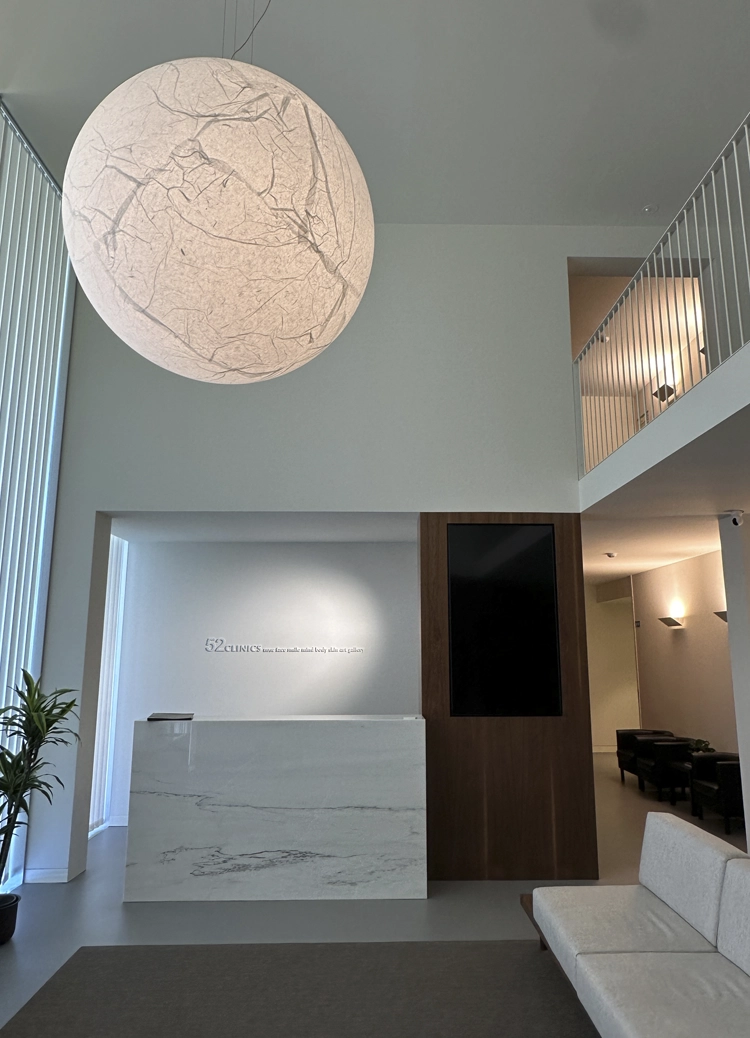
Facial Aesthetic Surgery Clinic in Porto and Braga
Nose and Face Clinic
The Nose and Face Clinic is the result of the dedication of several doctors to the subspecialty of Facial Plastic Surgery.
With diverse backgrounds in Otorhinolaryngology and Plastic Surgery, they share extensive experience in this field and a highly professional exchange of complementary knowledge.
When needed, we also count on consultants in Maxillofacial Surgery, Dermatology, Stomatology, Dentistry, and Ophthalmology.
In addition, we have an international network of partners with shared synergies and nearly real-time cyber-collaborations. Medicine today is clearly global, and we can consult with a colleague from the U.S. or Japan just as quickly as one from Portugal.
The Nose and Face Clinic is inspired by this global philosophy and cross-border knowledge sharing. With locations in Porto and Braga, we provide both excellence and proximity in our care.
Nose – Face – Smile – Mind – Body – Skin – Art – Gallery
52 Clinics

We Enhance Your Natural Beauty with Advanced Techniques and Personalized Care.

Cirurgião – Porto e Braga
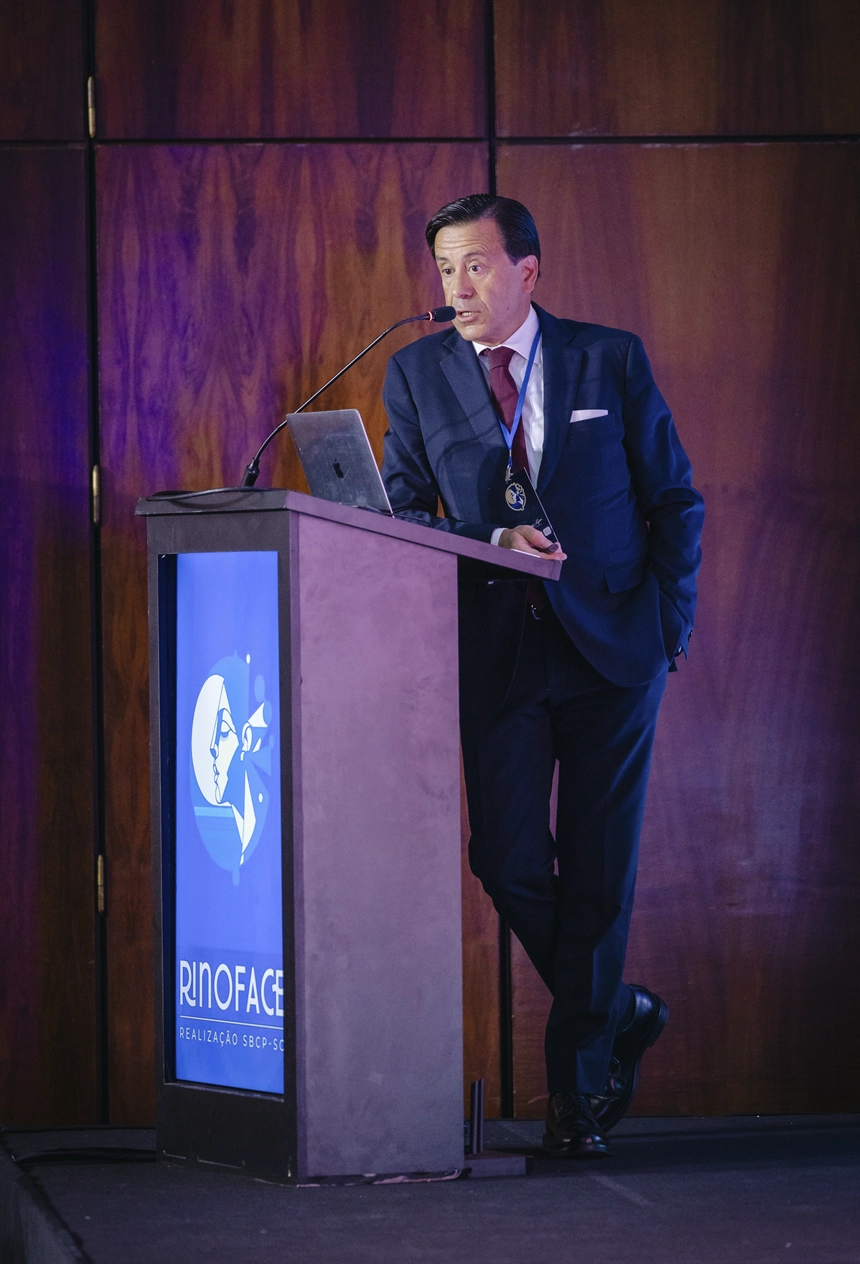
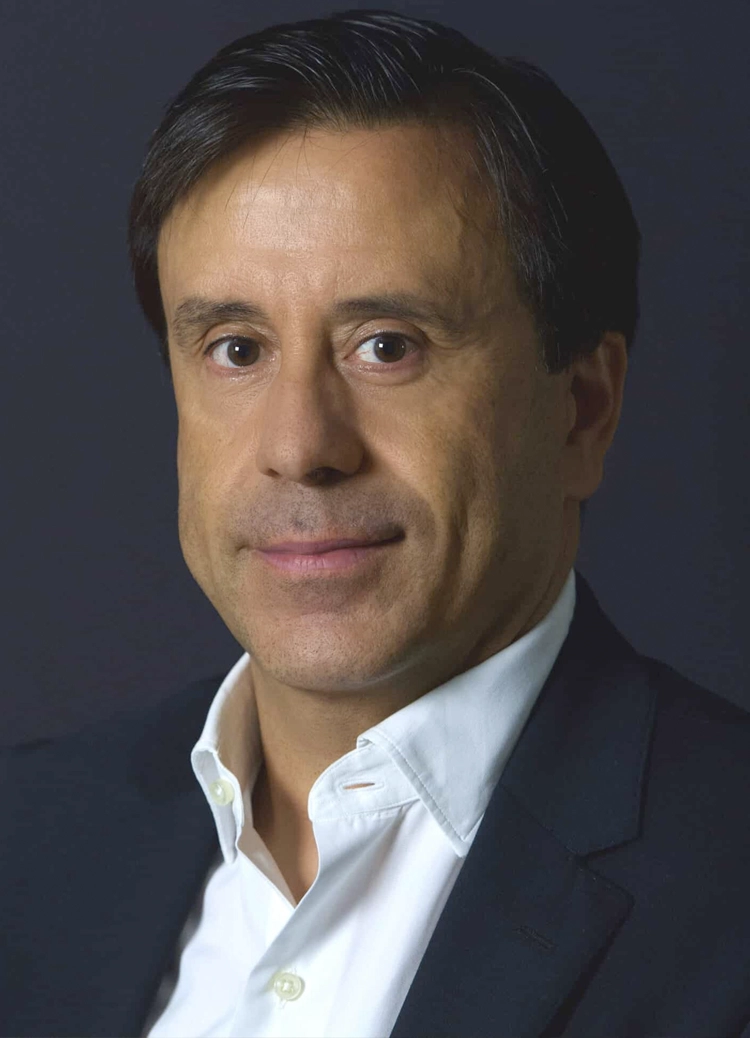
Professor Doutor Miguel Gonçalves Ferreira é Especialista em Otorrinolaringologia e Cirurgia Cérvico-Facial.
Facial Aesthetic Surgery Clinic in Porto and Braga
Facial Plastic Surgery
Facial Plastic Surgery is a highly specific area within General Plastic Surgery. The face and neck are located in an anatomical region of great visibility and play a crucial role in human interaction.
Since ancient times, the face has been considered a key element of human beauty. In this anatomical region, around eight medical specialties operate—each with their own specific interests and some overlapping ones—referred to as Border Zones.
Traditionally, Reconstructive and Aesthetic Plastic Surgery has had extensive experience in this area, leading to an overlap of competencies, as seen in many other interspecialty medical or surgical fields.
Across the globe, there is a group of ENT (Otorhinolaryngology) specialists who have subspecialized in this field. Facial Plastic Surgery is a recognized subspecialty, and its experts typically come from backgrounds in either ENT or Plastic Surgery. A Facial Plastic Surgeon is usually an ENT doctor or Plastic Surgeon who is highly trained and certified in this area. In 2014, the American Academy of Facial Plastic and Reconstructive Surgery (AAFPRS) celebrated its 50th anniversary. In Europe, its counterpart is the EAFPS.
All forms of anesthesia are extremely safe.
During the surgical procedure, the anesthesiologist carefully monitors and maintains the balance of all bodily systems.
Anesthesia Safety
The idea of undergoing anesthesia—especially general anesthesia—often causes fear in many patients, sometimes even more than the surgery itself. However, the truth is that today, all forms of anesthesia are extremely safe.
During any surgical or diagnostic procedure requiring sedation, general, or regional anesthesia, the anesthesiologist ensures and maintains the balance of all bodily systems using monitors to track vital functions and by administering appropriate medications. While there is always a risk of complications, these depend on the patient’s condition, the nature of the surgery, or rare technical or human errors. Nowadays, such complications are exceedingly uncommon. In fact, anesthesia-related complications have significantly decreased over the past 50 years, despite advances in surgical complexity, population aging, and increased severity of patient conditions.
Anesthesiologists closely monitor lung ventilation and the amount of oxygen delivered to the body. They track heart function and blood circulation, measuring heart rate, blood pressure, and, in some cases, even cardiac output and blood flow through the heart’s four chambers.
They also monitor and replace fluid loss during surgery—such as blood or urine—keeping the body’s fluid balance stable. Additionally, they assess the patient’s level of consciousness both through clinical observation and using monitors that track brain electrical activity.
Want to learn more about our clinic?
Get in Touch