
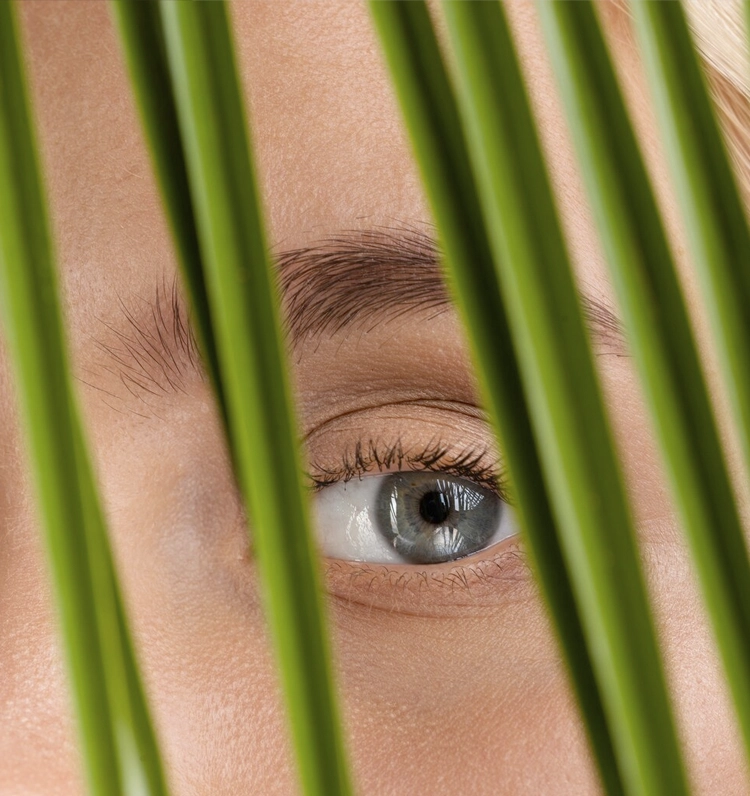
Blepharoplasty
In a blepharoplasty, excess skin and fat can be removed from the eyelids, tissues can be repositioned, and the overall appearance can be improved.
Eyelid Correction Surgery
Blepharoplasty
Nose Plastic Surgery — Rhinoplasty — is a procedure aimed at improving the shape of the nose.
There are generally two types of “crooked” noses: those that are the result of trauma or injury, and those that developed with asymmetry over time. From a nasal surgeon’s perspective, the term “harmonious” is preferred — less harmony often reflects more noticeable deviation.
The aesthetic of the nose cannot be separated from the face it belongs to, which is why the goal of rhinoplasty is to create a nose that is in harmony with the overall facial structure.
Rhinoplasty is a procedure that requires a well-informed patient. It is a surgery with certain limitations and clearly defined goals, so candidates must have realistic expectations and a clear understanding of what can be achieved. A thorough discussion with the surgeon is essential to explore all possibilities for nasal aesthetic improvement through rhinoplasty.

Eyelid Correction Surgery
Post-Operative Care After Blepharoplasty
After a blepharoplasty procedure, it is normal to experience bruising and swelling around the eyelid area.
Cold saline compresses with gauze or cotton should be applied to help reduce these symptoms. It is also important to wear dark sunglasses to protect the eyes from sun exposure, and to sleep on your back with your head elevated.
Throughout the recovery period, patients are advised to take paracetamol to manage any discomfort. Rest is recommended for 8 to 15 days, during which time you may work from home, avoiding physical exertion.